
Orthodox Black Tea
Traditional tea production methods preserving natural flavor and aroma
What is Orthodox Tea?
Orthodox tea refers to black tea produced using traditional methods that preserve the leaf structure through all stages of processing. Unlike CTC (Crush, Tear, Curl) tea, orthodox tea is manufactured using withering, rolling, oxidation (fermentation), and drying - a process that has remained largely unchanged for centuries.
The term "orthodox" distinguishes these teas from mechanically processed teas and refers to the traditional manufacturing technique that produces higher quality, more complex flavor profiles. Orthodox teas are highly sought after in premium auctions, particularly from Darjeeling and Dooars regions of India.
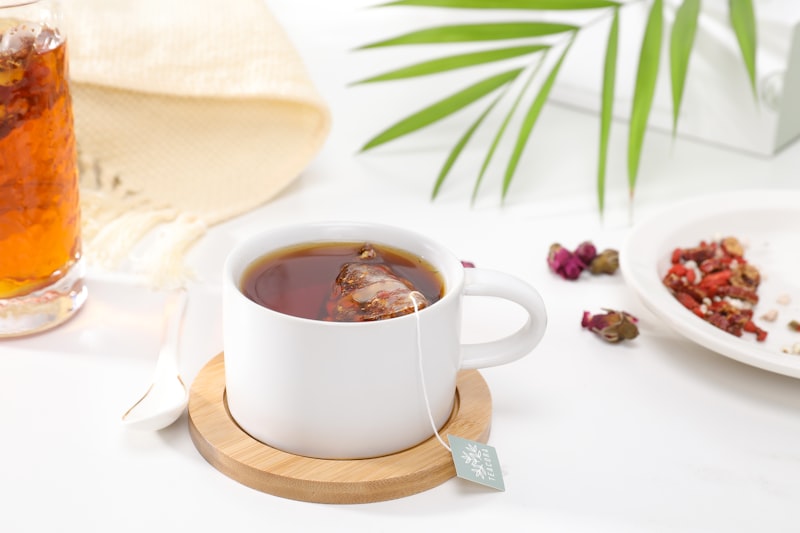
Orthodox Tea Production Process
1. Plucking
Only the two leaves and a bud are hand-plucked at dawn when moisture content is optimal. This delicate harvesting preserves the tender tips that produce premium grades.
2. Withering
Fresh leaves are spread on withering troughs or racks, allowing natural moisture evaporation for 12-18 hours. This softens the leaves for rolling.
3. Rolling
Leaves are rolled either by hand or machine to break cell walls, initiating oxidation. Rolling shapes the leaf and extracts juices essential for fermentation.
4. Oxidation
Rolled leaves are spread in cool, humid rooms for 2-4 hours. Enzymatic oxidation transforms the leaves from green to coppery black, developing complex flavors.
5. Drying
Oxidized leaves are dried in hot air dryers at 90-100°C to stop oxidation. This stabilizes the tea and prepares it for storage and auction.
6. Sorting
Dried tea is sorted by size through various grades - from whole leaf (premium) to broken grades. Each grade has distinct characteristics and market values.
Understanding Tea Grades
Orthodox tea grades are classified based on leaf size, tip content, and manufacturing quality. The grading system originated in India and follows a hierarchical nomenclature.
| Grade | Full Name | Description |
|---|---|---|
| SFTGFOP1 | Super Fine Tippy Golden Flowery Orange Pekoe 1 | Highest quality - abundant golden tips |
| SFTGFOP | Super Fine Tippy Golden Flowery Orange Pekoe | Excellent quality with high tip content |
| FTGFOP1 | Fine Tippy Golden Flowery Orange Pekoe 1 | Superior grade with golden tips |
| FTGFOP | Fine Tippy Golden Flowery Orange Pekoe | High quality whole leaf |
| TGFOP | Tippy Golden Flowery Orange Pekoe | Premium grade with tip |
| GFOP | Golden Flowery Orange Pekoe | Quality whole leaf |
| FOP | Flowery Orange Pekoe | Standard whole leaf |
| OP | Orange Pekoe | Basic whole leaf |
| BPS | Broken Pekoe Souchong | Broken leaf - stronger brew |
| BOP | Broken Orange Pekoe | Popular broken grade |
Regional Characteristics
Darjeeling Orthodox Tea
Darjeeling produces the world's most celebrated orthodox teas. The unique Himalayan terroir, high altitude (1,500-2,200m), and distinct seasonal flushes create unparalleled complexity. First flush offers floral notes, second flush develops muscatel flavor, and autumn flush provides a lighter, sweeter cup.
Dooars Orthodox Tea
Dooars region produces robust orthodox teas at lower elevations. These teas offer bright liquor, good body, and often exhibit spicy or malty notes. Dooars teas are popular in blends and command strong auction prices for their consistent quality.
Browse Orthodox Tea Auctions
View all available orthodox tea lots currently up for auction.
View Orthodox Tea Auctions